


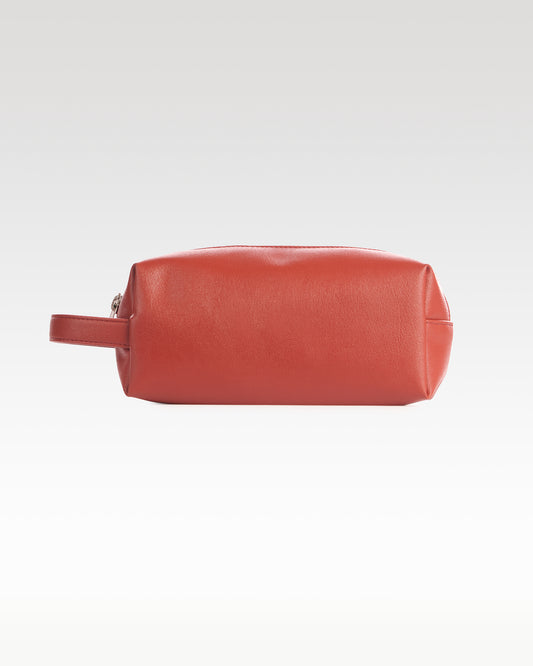
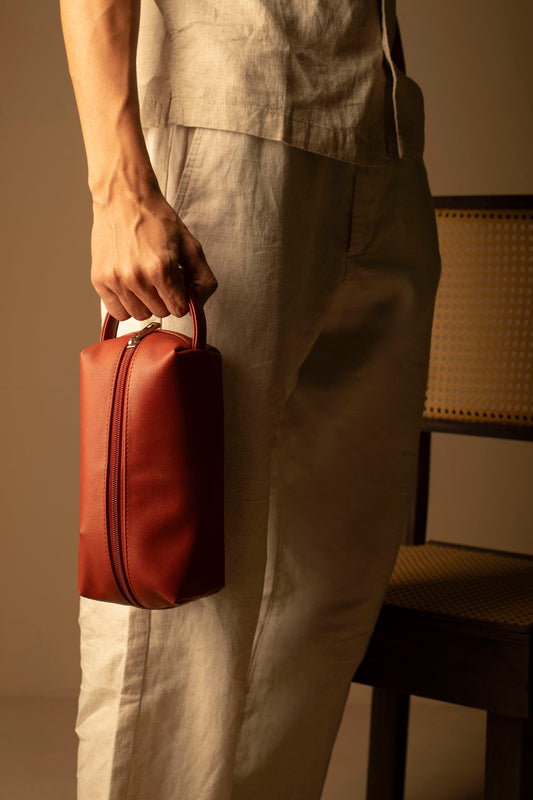


Plant-based leather bags in India are no longer a niche find. But with more options in the market, the differences between a genuinely bio-based product and a plastic alternative labelled as vegan have become harder to spot. This guide covers what to look for, how to tell the difference, and which kinds of pieces suit which uses.
What is plant-based leather?
Plant-based leather is made from bio-derived raw materials rather than animal hide or petroleum plastic. A quality plant leather product will state a bio-based content percentage, the manufacturing origin, and the certifications it carries. The material is biodegradable, free from toxic chemicals, and does not shed microplastics.
This is distinct from standard vegan leather, which in most cases is a PU plastic product made from crude oil. For a full breakdown of that distinction, read Plant Leather vs Vegan Leather: Why They're Not the Same.
What should I look for in a plant leather bag?
Four things make a meaningful difference when assessing any plant-based leather product.
- Bio-based content percentage. A genuine plant leather product should state a bio-based percentage. RebagCo bags and wallets are 98% bio-based. If a product describes itself only as vegan leather or faux leather with no material breakdown, it is almost certainly PU plastic.
- PETA Approved Vegan certification. This confirms no animal-derived materials were used anywhere in the product. It does not distinguish between plant and plastic, but it is a meaningful baseline.
- GRS certification on the lining. The Global Recycled Standard on the lining fabric signals that the brand is paying attention to the full product, not just the outer surface. RebagCo uses GRS-certified recycled polyester throughout its lining.
- Where it is made. Made in India means the product supports local manufacturing and is not sitting in a shipping container for weeks before it reaches you. RebagCo bags and wallets are designed and made in India.
How to tell plant leather from plastic vegan leather
The label alone does not tell you what the material is. A few checks help.
Look at the product description for a bio-based percentage. If it is listed, the brand is being transparent about the material composition. If it is not listed and the material is described only as vegan leather, synthetic leather or faux leather, it is most likely PU or PVC plastic.
Check whether the brand explains the material. Companies making genuine plant leather will describe it. Brands selling PU leather tend not to go into detail about the base material because the detail does not help them.
Look for certifications. PETA Approved Vegan and GRS lining certification are not universal across the industry. Their presence suggests a higher standard of attention to the supply chain and materials.
For more on what separates plant leather from animal leather on feel, durability and footprint, read Plant Leather vs Regular Leather: What's the Difference?
Which plant leather bag is right for which use?
Plant leather works across all everyday carry situations. The right piece depends more on what you carry and how you carry it than on the material.
Everyday carry. A compact shoulder bag or a crossbody format works well for everyday use: cards, phone, keys, small essentials. Something structured enough to hold its shape but not so large it becomes a burden. A daily bag benefits from an interior that is well-divided so things are easy to find.
Work and work travel. A larger tote or a structured bag with a dedicated laptop or document compartment handles the transition between home, commute and office. Look for a bag where the internal organisation suits how you work, not just how much it holds.
Travel. A passport holder or a compact crossbody keeps documents and small essentials accessible when moving through airports or between cities. These pieces are light, structured and purpose-built for the details of travel rather than volume.
Wallets. A slim wallet in plant-based leather is one of the most practical places to start if you want to try the material. It is something you handle every day and can assess directly for feel, durability and finish before committing to a larger piece.
Gifting. Plant leather accessories present well. The combination of quality material, considered design and the story behind the material makes them a considered gift for people who notice what things are made of.
Are plant leather bags worth it?
For daily use in India, yes. A well-made plant leather bag handles regular carry, holds its shape, is water-resistant for everyday conditions including the monsoon, and does not crack or peel the way PU leather does over time. For a detailed look at how the material holds up, read Is Plant-Based Leather Durable? An Honest Answer.
The material is also meaningfully different from plastic alternatives on environmental footprint: 93% less carbon and 97% less water than conventional animal leather, biodegradable and free from microplastics.
RebagCo bags and wallets come with free shipping across India and a 14-day return window. Browse the full range at rebagco.com.
Frequently asked questions
What should I look for in a plant leather bag?
Check for a bio-based content percentage, PETA Approved Vegan certification, GRS certification on the lining, and where the product is manufactured. These are the clearest indicators of a genuine plant-based leather product rather than a plastic alternative.
Are plant leather bags worth it?
Yes, for regular use. Quality plant leather holds up to daily carry, is water-resistant, and does not crack the way PU leather does over time. For buyers in India who want a cruelty-free bag that is not made from plastic, it is the stronger choice across durability and footprint.
Where can I buy plant leather bags in India?
RebagCo makes bags, wallets and accessories from plant-derived leather, designed and made in India, with free shipping across India. Browse the collection at rebagco.com.
How is plant leather different from vegan leather?
Most products sold as vegan leather are made from PU, a petroleum plastic. Plant leather is bio-based, biodegradable and not made from crude oil. The word vegan alone does not tell you which one you are buying. Look for a bio-based percentage in the product description.
Is plant-based leather good for Indian conditions?
Yes. Plant leather is water-resistant, which handles rain and humidity well. It does not require conditioning products and holds up to the temperature variations and use patterns of everyday life in India.