


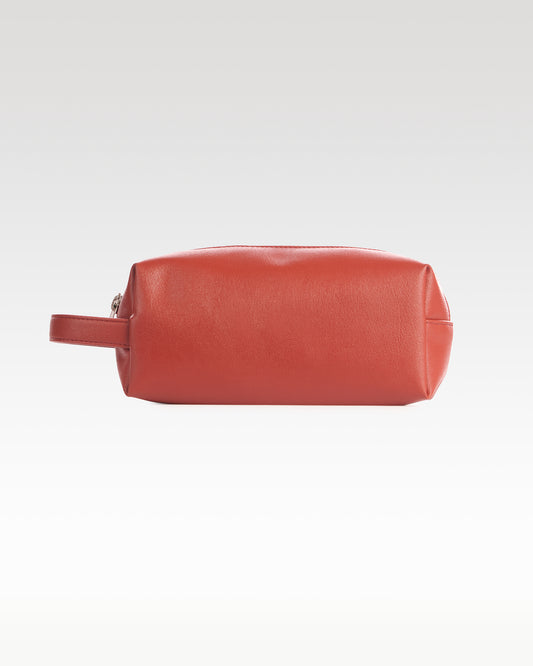



Vegan leather and plant leather sound like the same thing. They are not. Most vegan leather sold in India today is made from PU, a petroleum-based plastic, while plant leather is bio-based and biodegradable. Understanding the difference matters when you are choosing what to buy and carry every day.
What most vegan leather actually is
Walk into any shop or browse any marketplace in India and look at the vegan leather products. The vast majority are made from polyurethane, commonly written as PU, or from PVC, which stands for polyvinyl chloride. Both are petroleum-derived plastics.
PU leather is made by bonding a thin plastic coating to a fabric backing. It is soft and looks convincing at first, but it tends to crack and peel with regular use. More significantly, it is not biodegradable, and as it breaks down it releases microplastics into the environment. The word vegan is accurate in the narrow sense that no animals were used. But it does not tell you what the material actually is.
Is vegan leather just plastic?
In most cases, yes. PU leather and PVC leather are plastics made from crude oil. They are sometimes called faux leather, synthetic leather or leatherette. All of these terms can legally apply to a material that is essentially a plastic sheet.
This is not a fringe case. It is the norm. The majority of products marketed as vegan leather in India fall into this category.
What makes plant leather different?
Plant leather, also called plant-based leather or bio-based leather, is made from plant-derived raw materials rather than petroleum. The starting point is biological, not synthetic. At RebagCo, the material is 98% bio-based, which means almost all of it comes from renewable plant sources.
The practical differences matter. Plant leather does not shed microplastics. It is biodegradable. It is made without toxic chemicals. And it does not start with crude oil. It is a different kind of material that happens to share a surface texture with leather, not a greener version of the same plastic product.
A side-by-side comparison
| PU vegan leather | Plant leather | |
|---|---|---|
| Source | Petroleum (crude oil) | Plant-based, 98% bio-based |
| Biodegradable | No | Yes |
| Microplastics | Yes, as it breaks down | No |
| Toxic chemicals in production | Some | None |
| Cruelty-free | Yes | Yes |
| Carbon footprint | Medium-high | Way lesser |
| Durability | Cracks and peels over time | Holds up with regular use |
What to look for when buying
The word vegan alone is not enough. Here is what to look for when you want a genuinely plant-based product rather than a plastic alternative.
- Bio-based percentage. A plant leather product should state a bio-based content, ideally above 90%. If the listing says vegan leather but gives no material composition, it is almost certainly PU.
- PETA Approved Vegan. This certification confirms no animal products were used, though it does not distinguish between plant and plastic materials. It is a starting point, not the full picture.
- GRS certification on the lining. Global Recycled Standard certification on the lining fabric is a sign the brand is paying attention to the full product, not just the surface.
- Transparency. Brands making genuine plant leather tend to explain the material. If the product page avoids the question, that is informative in itself.
Why this matters for buyers in India
The market for vegan accessories in India has grown fast, and so has the confusion around what the labels mean. Choosing a PU product thinking it is an eco-friendly choice is an easy mistake to make, because the labelling does not discourage it.
Plant leather is the cleaner choice on environmental footprint and longevity. PU leather looks similar but performs differently and leaves a different trace. Knowing the difference means you can choose deliberately. For more on how the two materials compare at the level of carbon, water and waste, read The Real Footprint of Plant-Based Leather.
RebagCo bags, wallets and accessories are made from plant-derived leather that is 98% bio-based, PETA Approved Vegan, and lined with GRS-certified recycled polyester. For a broader overview of how plant leather compares to animal leather, read Plant Leather vs Regular Leather: What's the Difference?. To browse the range, visit the RebagCo collection.
Frequently asked questions
Is vegan leather just plastic?
In most cases, yes. The majority of products sold as vegan leather are made from PU or PVC, both of which are petroleum-derived plastics. Plant leather is the exception: it is bio-based, biodegradable and not made from crude oil.
Is plant leather the same as vegan leather?
Plant leather is always vegan, but vegan leather is not always plant-based. The term vegan leather includes PU and PVC plastic products. Plant leather specifically refers to materials made from plant-derived, bio-based sources.
Does vegan leather contain microplastics?
PU and PVC vegan leather can shed microplastics as the material breaks down with use and washing. Plant-based leather does not contain microplastics and does not shed them.
How can I tell if a bag is plant leather or PU leather?
Check the product description for a bio-based percentage. If none is listed and the material is described only as vegan leather or faux leather, it is most likely PU. Genuine plant leather brands will state the material composition clearly.
Is PU leather bad for the environment?
PU leather avoids animal agriculture, but it is made from petroleum, is not biodegradable, and sheds microplastics over time. It is a better choice than animal leather on animal welfare grounds, but it is not an environmentally neutral material.